
cleaning

Dish scrubs

  • Level : 1
  • Usage : Everyday
  • Health impact: High
  • Environmental Impact: Moderate
  • Avoid : Plastic dish scrubs
  • Conscious Alternatives: Coconut coir scrubs or metal scrubs
  • Level

  • Usage

  • Product Category

  • Health impact

  • Environmental Impact

  • Dish scrubs to avoid

  • Conscious alternatives

Things to know about Dish Scrubs

Did you know those harmless-looking dish scrubs might actually be sneaky culprits getting plastic into your body? It sounds crazy, but it's true.

How are dish scrubs harming your health?

Most popular dish scrubs on the market are made from plastic materials like nylon and resins. Not only that, but they're often coated with not so friendly abrasives such as aluminium oxide and here's where the trouble begins.

As these scrubs wear out with use, they start shedding tiny microplastic particles. And here's the kicker: these microplastics are incredibly difficult to spot, so you might not even realise they're hanging out on your plates and dishes. But that's not the worst part. These microplastics can mix with your food and, eventually, find their way into your body when you eat.

But wait, it gets worse. The moist surface of a dish scrub, combined with the food scraps left behind, creates the perfect breeding ground for germs. It's like a biohazard zone right there on your kitchen counter! In fact, one study found that the surface of a dish scrub can harbour a shocking 200 times more bacteria compared to a toilet seat. So, are those scrubs really getting rid of germs from your plate, or are they actually adding more to the mix?

In short, those innocent-looking dish scrubs might be doing more harm to your health than you realise. It's time to rethink our reliance on plastic and explore safer, more sustainable alternatives. Your health—and your dishes—will thank you for it.

How are dish scrubs harming the environment?

These seemingly innocuous tools are actually causing quite a bit of harm to our planet.

Think about it—every year, billions of these scrubs are tossed away and that's where the problem begins. Most of these scrubs are made from materials like nylon or polyester, which are derived from—you guessed it—petrochemicals. You know all too well that these plastics don't break down easily. They linger in our environment for centuries, adding to the ever-growing plastic pollution crisis.

When these plastic scrubs are discarded, they become part of the alarming plastic pollution epidemic. They either end up languishing in landfills for generations or, even worse, find their way into our precious oceans, where they wreak havoc on marine life and delicate ecosystems.

It doesn't end there. These scrubs aren't just plastic polluters; they're also germ carriers. Teeming with all sorts of bacteria, they pose a double threat to our environment—contributing to both plastic pollution and germ contamination.

While they may seem harmless on the surface, those innocent-looking dish scrubs are actually anything but. It's crucial for us to rethink our reliance on plastic and explore more eco-friendly alternatives to protect our planet for generations to come. After all, every choice we make has an impact, and it's up to us to choose wisely.

What did our ancestors use for scrubbing dishes?

Our ancestors were masters of sustainable living, even when it came to something as mundane as washing dishes. It's true! In India, they had a brilliant solution: coconut husk or coconut coir.

Coconut coir is a marvel of nature. It's tough enough to tackle even the most stubborn grime on your dishes, yet gentle enough to avoid leaving any scratches behind. But here's the really cool part: while synthetic scrubs can quickly become breeding grounds for bacteria and start to stink, coconut fibres are naturally antibacterial and quick to dry. That means no more unpleasant odours lingering in your kitchen!

And here's the cherry on top: coconut coir is 100% biodegradable. That's right—no harm to our precious planet. Our ancestors were onto something truly remarkable!

Even today, in many villages across India, you can still find people using coconut coir to scrub their dishes. It's a testament to the effectiveness of these age-old methods—they still work like magic!

It's amazing how our ancestors knew about these natural benefits, and it's still relevant today. It just goes to show that sometimes the best solutions are right there in front of us, passed down through generations. So, next time you're washing dishes, you might want to give coconut coir a try and make the most of the wisdom of our ancestors!
Dishwash

  • Level : 1
  • Usage : Everyday
  • Health impact: High
  • Environmental Impact: Moderate
  • Avoid : Brands which are not transparent about ingredients
  • Conscious Alternatives: Dishwash made with non-toxic ingredients and with transparency of the ingredients they contain or make it yourself
  • Level

  • Usage

  • Product Category

  • Health impact

  • Environmental Impact

  • Dishwash to avoid

  • Conscious alternatives

Things to know about Dishwash soap or liquid

If you've already made the switch to conscious food alternatives to keep your family healthier, that's awesome!

Have you ever considered what you're using to clean your cooking and eating utensils? It's possible that those cleaning products might be adding some not-so-safe chemicals to your food, and that's definitely something worth thinking about.

Are you sure that dishwash soap or liquid is safe for your family?

Have you ever looked at the label of dishwashing soap or liquid?

Did you find any ingredients mentioned?

None of the popular brands list any ingredients on their dish cleaning products. Now, here's something to think about:

  • How can you be sure if this everyday use product is safe for you and your kids?
  • Imagine if there's some residue left on the dishes even after rinsing, and that ends up mixing with your food. What's the risk involved there?

The thing is, brands take advantage of certain laws so they don't have to disclose the ingredients on their dish wash products. Sneaky or smart?

Some brands might provide that information on their websites if you dig deep enough, but many other brands don't even disclose ingredients there!

Since you're health-conscious, it makes total sense that you'd want to be mindful of what you're using at home, especially when it comes to cleaning the things you cook in and eat from.

After all, your family's safety is always your top priority!

Are there any ingredients in dish cleaning products that you should be concerned about?

This is a little technical, but we’ll break it down for you in simple terms how some ingredients impact your health and the environment. A more technical explanation is available below for those who are interested.

Here are some ingredients which are a bit of a concern.

  • Sodium LAS: Even in small amounts, it could promote cancer cell growth in the colon and harm aquatic life.
  • Disodium EDTA: It messes with skin cells, can affect reproductive health if consumed and poses risks to the environment.
  • SLES: Banned in Europe due to contamination with a cancer-causing by-product.
  • CI 19140 (Tartrazine): Damages immune system cells, increases cancer risk and harms aquatic life.
  • CI 42051 (Patent Blue V): Banned as a food additive, causes allergies and harms aquatic species.

The bigger concern is that popular brands may not have been transparent about these potential risks, relying on clever marketing to create a false sense of safety.

A more technical explanation of ingredients

Sodium LAS, even at the levels found in wastewater treatment plants, could actually promote the growth of cancer cells in the colon. You need to pay attention to the harmful effects of this stuff, even if it's in small amounts. Sodium LAS can be a real troublemaker for aquatic organisms, causing toxicity and harming aquatic life in the long run.

Disodium EDTA has been found to be cytotoxic and slightly genotoxic, which means it can mess with your skin cells and make them absorb chemicals more easily. Not good news, right? Plus, if consumed orally, it can cause issues with your reproductive and developmental health. When it comes to the environment, Disodium EDTA doesn't break down easily in regular wastewater treatment plants or in nature. That's not great for our water systems. Additionally, it is known to mobilise heavy metals, posing a risk to our groundwater.

SLES is another chemical you might want to avoid. It's already banned in Europe, so that's a red flag right there. The real concern is that SLES can be contaminated with 1,4-dioxane, a by-product released during the production of SLES. It's known to cause cancer in humans.

CI 19140or Tartrazine can cause damage to white blood cells, which are crucial for your immune system. It also increases the risk of developing tumours and cancer. Something we want to keep away from, right? When it comes to the environment, CI 19140 can be harmful to aquatic life, even at low concentrations. It messes with the development of embryos and larvae, leading to a reduction in their population over a period of time.

CI 42051, also known asPatent Blue V is banned as a food additive in both the US and Australia since it's considered unsafe for children and its tendency to cause allergies. But the trouble doesn't end there. In certain aquatic species, it reduces the hatching of eggs and the embryos that do develop show defects. In certain other organisms, it's known to cause mortality and mobility issues.

Were cleaning products always this dangerous?

It turns out that before World War II, people used soap for all kinds of cleaning. But during the war, the fats and oils used for soap-making were needed for making weapons and explosives.

So, scientists came up with a host of petrochemicals to replace natural ingredients in cleaning products. Guess what? Most of the cleaning products you use today are filled with these harmful petrochemicals. They're not just bad for your health, but they're also causing a lot of harm to the environment.

What did our ancestors use to clean dishes?

Our ancestors relied on natural materials to clean their dishes. One popular choice was ash, which has been used for centuries. Ash is pretty effective at getting rid of oil and grease because when ash mixes with oil, it actually creates a basic form of soap!

If you have been to any Indian village, you might have seen them using earth to clean their vessels.

How can you choose a safe dish cleaning product?

It's crucial to look for dish cleaning products that are transparent and clearly list the exact ingredients they use. Be cautious of terms like "non-toxic", “SLS free” or "plant-based" without specific details. Only when the ingredients are clearly mentioned on the label can you truly understand the long-term effects of being exposed to these chemicals. 

Give preference to products that provide full disclosure about what they contain. That way, you can make a more informed and safer choice for yourself and the environment.

The other alternative is to make your own non-toxic dish cleaning product by following any of the DIY options available in the Conscious Living DIY Guide.

How do you benefit from using safer dish cleaning products?

Making the switch to safer dish cleaning products is not just good for you but for the world around you too!

Let's break down the benefits:

Improved Health: Safer products mean fewer nasty chemicals get mixed with your food, reducing the risk of allergies and long-term health issues for you and your family.

Environmentally Friendly: Choosing safer options helps reduce water pollution and its impact on aquatic life. It's a small but powerful step to keep harmful chemicals out of our water bodies, preserving the delicate balance of our ecosystems.

By demanding transparency and picking brands that disclose their ingredients, you're supporting manufacturers that prioritize your health and the environment. You also send a clear message to manufacturers to produce safer products and be more transparent if they want you to use their products.

Your conscious choice can inspire friends, family and your community to make similar changes, creating a positive ripple effect for a more sustainable future.

Laundry Detergent

  • Level : 1
  • Usage : Everyday
  • Health impact: Moderate
  • Environmental Impact: High
  • Avoid : Brands which are not transparent about ingredients
  • Conscious Alternatives: Detergents made with non-toxic ingredients and with transparency of the ingredients they contain or make it yourself
  • Level

  • Usage

  • Product Category

  • Health impact

  • Environmental Impact

  • Detergents to avoid

  • Conscious alternatives

Things to know about Laundry Detergents

Do you know what the largest organ in your body is? 

It is your skin.

Your skin is not only a protective barrier but also a highly absorbent organ. Your skin absorbs a portion of whatever comes in contact with the skin.

Below are some questions which might have crossed your mind. 

  • Are there any chemicals present in your laundry detergent which you should be concerned about?
  • Do any chemical residues remain on your clothes after washing?
  • How much of these chemicals does your skin absorb?
  • Are detergents supposed to remove the stains and germs from your clothes or make them extremely white?
  • How do I opt for safer detergents?

Keep reading to get answers to the above questions and more…

What is the problem if clothes
become super white after a wash?

Have you used filters to make your photographs look better?Detergent brands have been using something like filters for a long time.

They use special chemicals to make your clothes appear white. These chemicals are called optical brighteners. Their job is to reflect more light which makes clothes appear whiter brighter. These chemicals are designed to stay back on clothes long after the wash - so they can continue giving the effect for a longer duration. Since these chemicals remain on the clothes, your skin tends to absorb some of it. 

Guess what?

Optical brighteners only give the illusion of whiteness and actually don’t contribute to cleaning. 

Video

Dave explains what optical brighteners are and shows us how these brighteners stay back even after rinsing in his simple experiment

Are whiteners the only chemicals you
should be concerned about in detergents?

Like Dave mentioned in the above video, whiteners are not the only chemical that fills your clothes after a wash. Most detergents contain foaming agents, synthetic fragrances, dyes, sulphates and preservatives, which are chemicals you should be concerned about since they are known to impact your health and the environment.

Foaming agents can be pretty harsh on your skin and lungs. SLS, the most used foaming agent, is banned in many countries since it increases certain health risks. Guess those bubbles are not as innocent as they seem.

Synthetic fragrances usually contain a mixture of chemicals, including phthalates, which have been linked to hormone disruption. 

Dyes used in detergents often contain heavy metals and other toxic substances that have adverse effects on human health and aquatic life.

Sulphates strip your skin of natural oils and cause skin irritation. Additionally, they remain in the environment for prolonged durations, increasing the water pollution. 

Preservatives, such as parabens are known allergens and have been associated with many health concerns.

Isothiazolinones are chemicals added because they're great at fighting off bacteria and fungus. But here's the catch. They're strong allergens and can make your skin extra sensitive, leading to irritations, rashes and swelling.

Ingredients with some words that end with "eth," like laureth, steareth, ceteareth or maybe PPG, PEG areethoxylated ingredients. The idea behind ethoxylating is to make chemicals gentler, which sounds fine. But during the process, toxic contaminants like 1,4-dioxane tend to get released. The concerning part is, there's no way for you to know if these contaminants are present in the products you use.

Now that you know how your health and the environment can be affected, you may consider choosing safer alternatives for yourself and the planet.

What is the environmental impact of detergents?

With every load of laundry, we release approximately 60-80 litres of water filled with chemicals. For a family, this amounts to around 25,000 litres of polluted water being discharged every year.

When chemicals like Phosphates (found in detergents) enter water bodies, they cause a big problem. Phosphates are like algae's favourite snack. When algae get too much to eat, they grow and multiply crazily. This throws off the delicate balance of aquatic ecosystems, creating a big party for the algae but a disaster for all other life forms.

Some of the chemicals in detergents pose a threat to fish, amphibians and other aquatic life by affecting their growth and reproductive capabilities. This leads to a decline in population of certain species and a loss of biodiversity.

The impact doesn't end there. The contaminated water doesn't just vanish after washing our clothes. It directly enters our water table, which is the primary source of water for drinking, cooking and agriculture. So, the water we pollute ends up back in our daily lives.

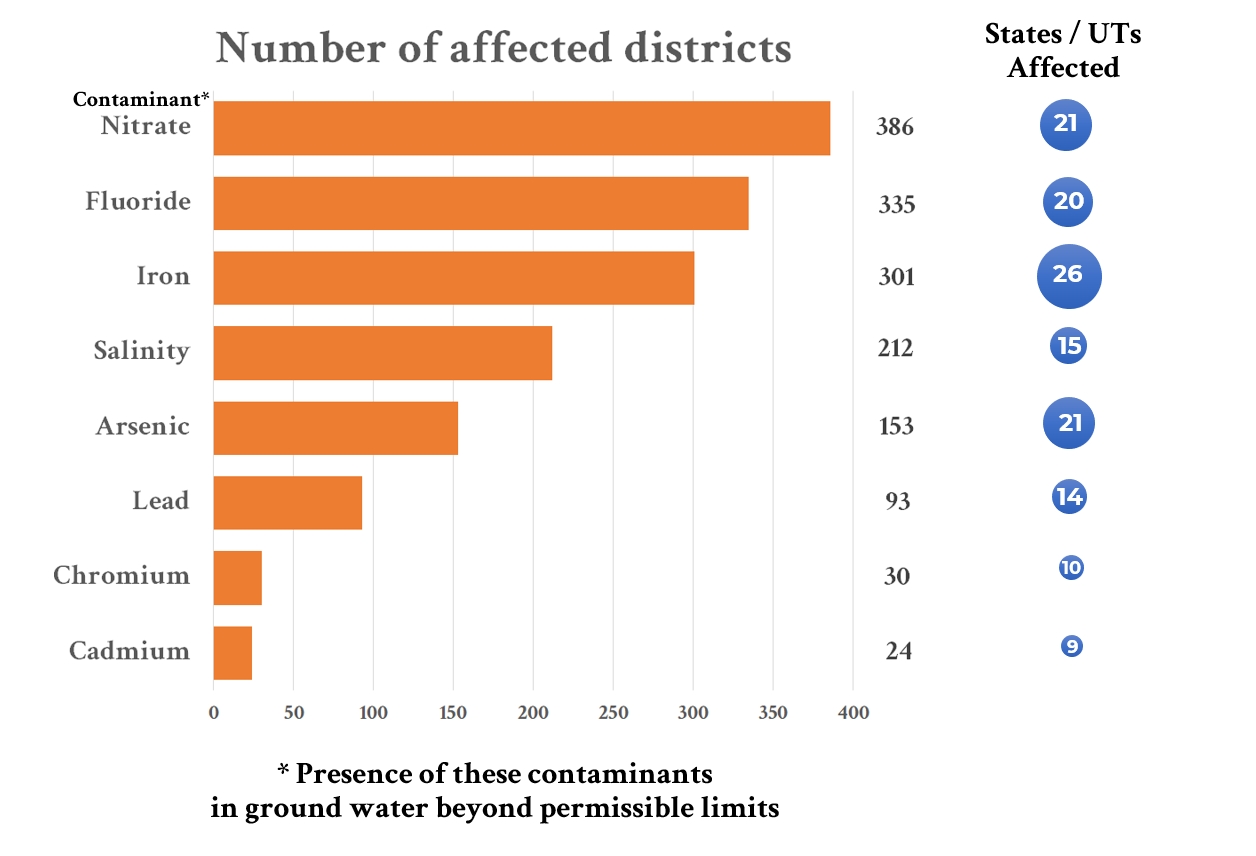
Over the last 50 years, the levels of harmful chemicals in our groundwater have been steadily increasing, reaching alarming levels in some regions. 

How can you choose a safe detergent?

Be cautious of terms like "non-toxic", “SLS free” or "plant-based" without specific details. Just the use of those terms don’t indicate that the detergent is good for you or the environment.

Here's the thing - popular brands don't tell you everything about the ingredients they use in cleaning products. They've managed to influence the government to make laws that keep their ingredients a secret. Smart or sneaky?

It's crucial to look for detergents that are transparent and clearly list the exact ingredients they use. Only when the ingredients are clearly mentioned on the label can you truly understand the long-term effects of being exposed to these chemicals. Without knowing the ingredients, it becomes challenging for you to know whether the product is safe or not.

Try to opt for products that provide full disclosure about what they contain. That way, you can make a more informed and safer choice for yourself and the environment.

The other alternative is to make your own non-toxic detergent by following any of the DIY options available in the Conscious Living DIY Guide.

What is the benefit of using safer detergents?

Using safer detergents comes with a host of benefits, not just for you and your family but for the world around you as well!

Improved Health: Safer detergents mean fewer harmful chemicals in your clothes. This reduces the risk of skin irritations, allergies and other long term health issues for you and your family.

Environmentally Friendly: By opting for safer detergents, you contribute to reducing water pollution and its harmful impact on aquatic life. Choosing eco-friendly options means less harmful chemicals are released into water bodies, helping to maintain the delicate balance of our ecosystems.

By demanding transparency and choosing brands that disclose their ingredients, you support individuals or organisations that prioritise your health and the environment. This sends a clear message to manufacturers to produce safer products and be more transparent.

By using safer detergents, you become part of a global movement towards a healthier and greener world. So, be the change you want to see and embrace safer detergent options for a brighter and sustainable future! Your conscious choice can influence your friends, family and community to make similar changes. This creates a positive ripple effect for a more sustainable future.